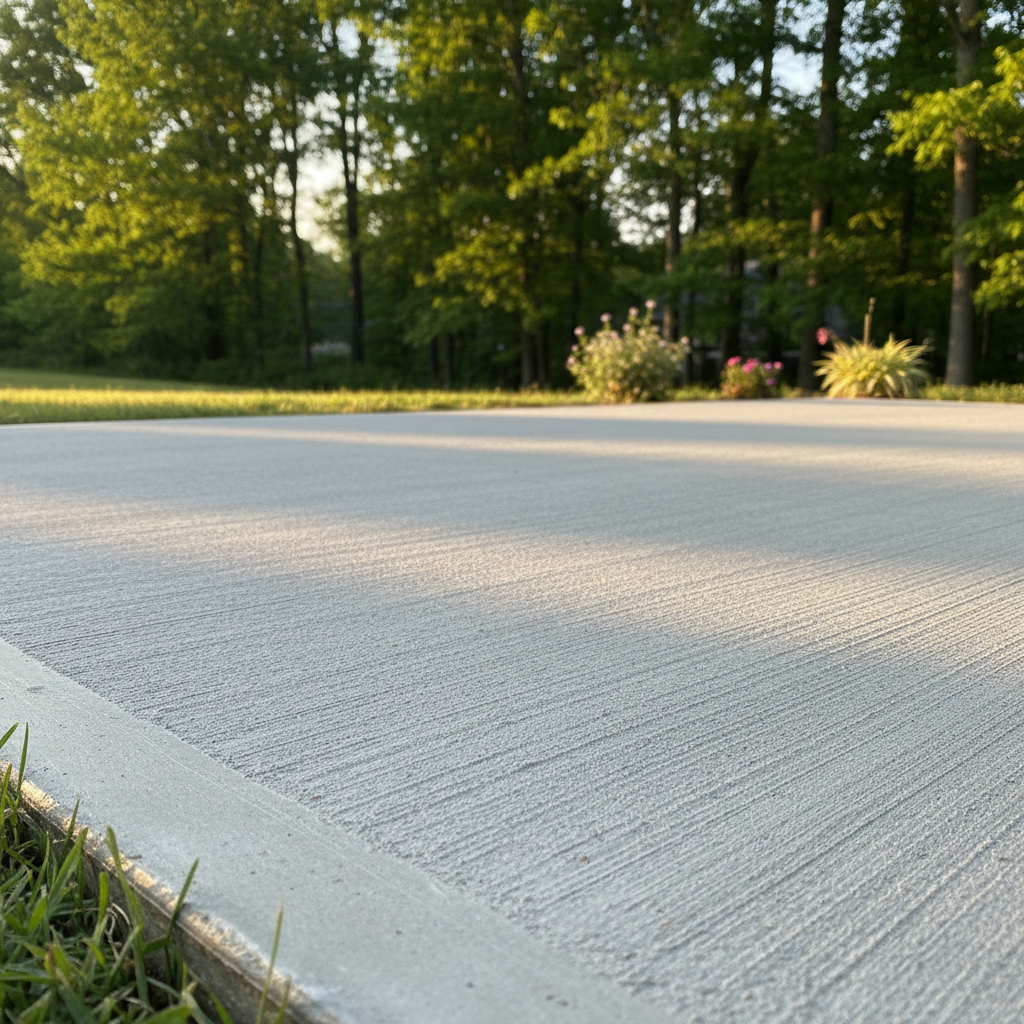
Thinking About Concrete Flatwork? Here's the Deal.
So, you're looking at that old, cracked patio or maybe you're dreaming of a new concrete pad for a shed. Concrete flatwork – that's your driveways, sidewalks, patios, garage floors – it's a big part of any home. Done right, it lasts decades. Done wrong, it's a headache and an eyesore. As someone who's poured a lot of concrete around Jackson, I've seen it all. Let's break down what you need to know.
Before You Even Think About Mixing Cement
This is where most DIYers either shine or get themselves into trouble. Planning is everything, and it's not just about the size of the slab.
What's it for? A garden path that only sees foot traffic is way different from a driveway that'll have your F-150 parked on it every day. The thickness of the concrete and the base material underneath will change a lot depending on the load it's going to carry. Don't skimp here; you'll regret it.
Drainage, Drainage, Drainage: This is huge, especially with our heavy spring rains here in West Tennessee. You absolutely need to make sure water will run away from your house, not towards it. A proper slope is critical. We're talking at least a quarter-inch per foot. If you don't get this right, you're looking at foundation problems down the line, or at least standing water on your new pad.
Check for Utilities: Before you dig an inch, call 811. It's free, it's the law, and it could save your life or a massive repair bill. You don't want to hit a gas line or a water main.
Permits: For larger projects, especially driveways or anything that might affect drainage onto public property, you might need a permit from the city of Jackson. Always check with the planning department. It's a pain, but it's less of a pain than getting fined or having to tear out new work.
The Base: This is probably the most overlooked part for homeowners. You can't just pour concrete on dirt. You need a well-compacted, stable base. Usually, that's 4-6 inches of gravel or crushed stone. Compact it like your life depends on it. A vibrating plate compactor is a must-rent for this. If your base isn't solid, your concrete will crack, sink, or both.
During the Pour: When to DIY and When to Call JM Jackson Moore Concrete
Alright, you've got your forms built, your base is perfect, and you're ready to pour. This is where things get serious, and fast.
Small Patch vs. Big Slab: If you're patching a small area or pouring a tiny, non-structural pad, you can probably mix bags of concrete yourself. For anything bigger than, say, a 3x3 foot section, or anything that needs to look good and last, you're going to want ready-mix concrete delivered. It's consistent, and it saves your back.
Formwork: Building sturdy forms is crucial. They need to be level, straight, and strong enough to hold back thousands of pounds of wet concrete. Use 2x4s or 2x6s, staked securely. Don't cheap out on stakes. If your forms blow out during the pour, it's a huge mess and a wasted effort.
Reinforcement: For driveways and patios, you'll want reinforcement. This usually means rebar or welded wire mesh. It doesn't prevent cracking entirely, but it holds the concrete together if it does crack, preventing separation. Make sure it's lifted into the middle of the slab, not just lying on the ground.
The Pour Itself: This is where experience really counts. Concrete sets quickly, especially on a hot Jackson summer day. You need enough hands to spread, screed (level), float, and finish the concrete all at once. If you've never done it, it's incredibly stressful and easy to mess up. Getting a smooth, level finish with the right slope is an art form. If you're doing a big area, or if you want a professional finish, this is absolutely the time to call in a crew like ours. We've got the tools, the experience, and the manpower to get it done right the first time.
After the Pour: Curing and Care
You've got your new concrete! Don't just walk away. The next few days and weeks are critical for its strength and longevity.
Curing is Key: Concrete doesn't just dry; it cures. This is a chemical process that needs moisture. If it dries out too fast, it'll be weak and prone to cracking. Keep it wet for at least 5-7 days, longer if you can. You can use a sprinkler, cover it with plastic sheeting, or apply a curing compound. This is non-negotiable for strong concrete.
Protection: Keep foot traffic off it for at least 24-48 hours. Keep vehicles off it for at least 7 days, preferably longer, up to 28 days for full strength. I know it's hard to wait, but it's worth it.
Control Joints: If you hired a pro, they'll have cut control joints into your slab. These aren't cracks; they're planned weaknesses that encourage the concrete to crack in a straight, neat line where you want it to, rather than randomly. If you DIY'd a larger slab, you should rent a saw and cut these yourself within 24 hours of the pour.
Look, I get it. Saving a buck is tempting. For small, non-critical pads, you might be able to DIY. But for anything that needs to look good, last for decades, and handle real weight – like a driveway or a main patio – you're usually better off calling a professional. We've got the equipment, the know-how, and the crew to make sure your concrete flatwork is an asset, not an ongoing problem. Give us a shout at JM Jackson Moore Concrete if you want to talk about your project.