How long does concrete flatwork really last around here?
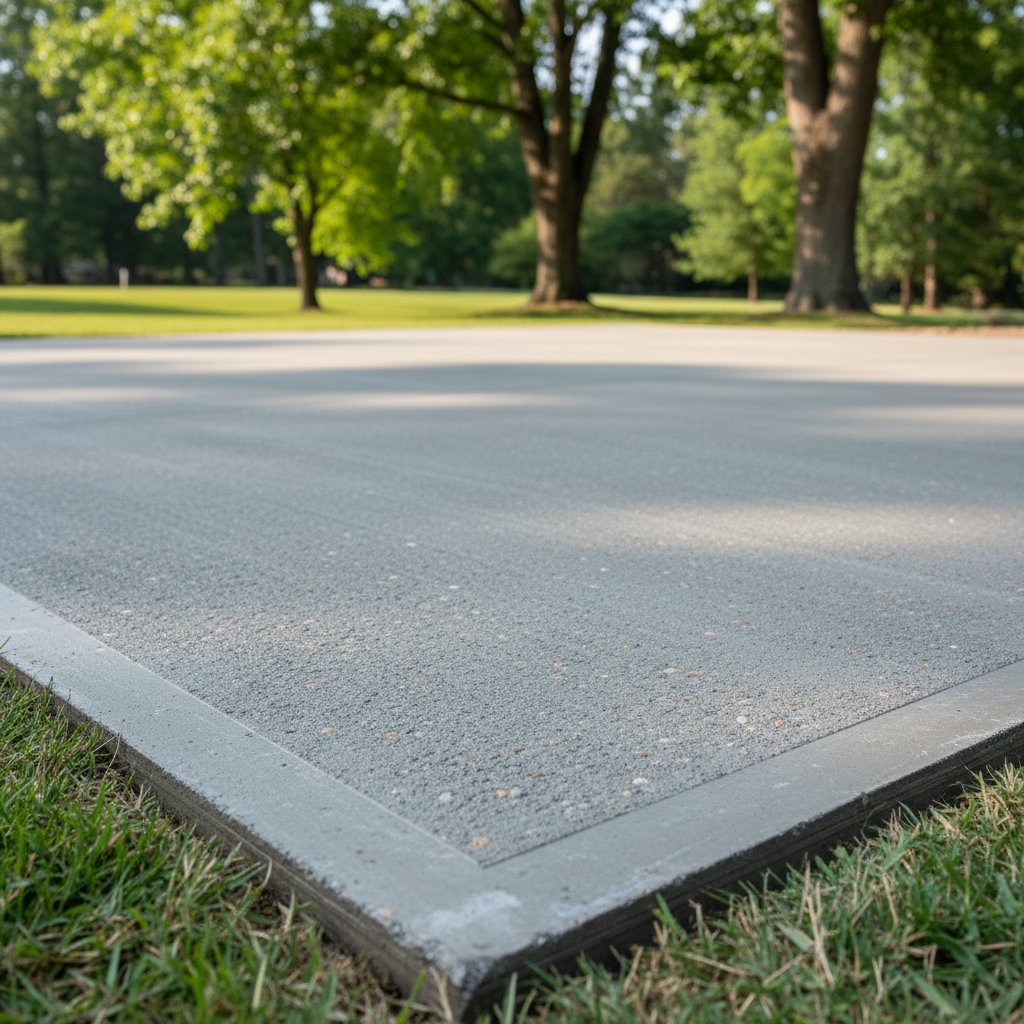
That’s a loaded question, but a fair one, don't you think? Look, a well-installed concrete slab — whether it’s a driveway, a patio, or just a sidewalk — should easily give you 20 to 30 years. Sometimes even more! But a lot of things play into that lifespan. First off, there’s the quality of the mix. We’re talking about getting the water-to-cement ratio just right and using good aggregate. Then you’ve got the subgrade preparation. If you don’t compact the ground properly underneath, or if there’s a bunch of organic material that’s going to decompose, you’re definitely asking for trouble down the line. Here in Jackson, especially with our clay soils in places like Northwood, getting that subgrade ready is absolutely critical. It helps prevent settlement and cracking. Drainage is another huge factor. If water is constantly pooling on or around your concrete, it’s going to break down faster, especially with our winter freeze-thaw cycles. And finally, maintenance. Sealing your concrete every few years can make a massive difference, protecting it from moisture, chemicals, and just general wear and tear. So, to give you a straight answer: with good materials, expert installation, and a little bit of care, your concrete flatwork will outlast most other exterior surfaces.
What causes concrete to crack, and can we stop it?
Cracks are almost a given with concrete; it’s just how the material behaves. Concrete shrinks as it cures, and that shrinkage creates stress. The goal isn't necessarily to stop all cracks, but to control where they actually show up. That’s where control joints come in. We cut grooves into the fresh concrete, usually about a quarter of the slab’s thickness, to create weakened planes. The idea is that if the concrete is going to crack, it'll crack along these lines, making the cracks way less noticeable and not really a structural problem. If you don’t have enough control joints, or if they’re spaced too far apart, you’ll end up with random, ugly cracks. Other causes? Improper subgrade preparation, like I just mentioned, can lead to uneven settlement. Tree roots are a big problem too, especially around older homes with big, mature trees. Heavy loads, say parking an RV on a driveway meant for cars, can also cause cracking. Temperature changes, especially our hot summers and cold winters, make the slab expand and contract, which really stresses it out. At JM Jackson Moore Concrete, we use rebar or wire mesh in most of our projects. This adds tensile strength and helps hold the slab together even if it does crack, stopping those cracks from getting too wide.
How long does new concrete take to cure, and when can I use it?
Curing is a process, not just a single event. Concrete doesn't just dry out; it chemically reacts and hardens over time. The initial set happens pretty fast, usually within a few hours, but getting to full strength takes much longer. Generally, we tell people to stay off it for at least 24-48 hours if it's just light foot traffic. You definitely want to keep vehicles off a new driveway for at least 7 days. And ideally, we actually recommend waiting 28 days for it to reach its full design strength before you put any really heavy loads on it. That 28-day mark is when concrete is considered fully cured for most practical purposes. During this time, keeping the concrete moist is super important. We might use curing compounds, wet burlap, or even just regular watering to slow down the evaporation of water from the concrete. This lets the chemical reaction — hydration, it's called — happen completely, giving you the strongest, most durable slab possible. If it dries out too fast, it’ll be weaker and more prone to cracking, and nobody wants that.
Do I need rebar or wire mesh in my concrete flatwork?
For almost all exterior flatwork, yes, you absolutely should have some kind of reinforcement. Think of concrete as really strong when you push on it, but weak when you pull it apart. That means it can handle a lot of weight pressing down, but it doesn't like being stretched or bent. That's where rebar (reinforcing bar) or welded wire mesh comes in. They don’t stop cracks entirely, but they hold the concrete together if it does crack, keeping those cracks tight and stopping sections from separating or heaving. For driveways, patios, and sidewalks, we typically use either 6x6-10/10 wire mesh or #3 rebar spaced at 18-24 inches on center. The type and spacing really depend on the specific job and how much weight it's expected to hold. For example, a heavy-duty driveway that's going to see a lot of truck traffic might get more robust rebar reinforcement than a simple backyard patio. It adds to the cost, sure, but it's a small investment for a much longer life and better structural integrity. Skimping on reinforcement is one of the quickest ways to end up with a failing slab down the road, believe me.
What’s the deal with sealing concrete? Is it really necessary?
I get this question a lot, and my answer is always the same: yes, it’s necessary if you want your concrete to look good and last as long as possible. Think of a sealer as a protective barrier. It sinks into the concrete's surface and helps push away water, oil, grease, and other stains. This is especially important in Jackson where we get all four seasons, including hot sun, heavy rains, and freezing temperatures. Water that soaks into unsealed concrete can freeze and expand, causing spalling (flaking) and surface damage. Sealers also protect against UV rays, which can fade colored concrete, and they make cleaning a lot easier. There are different kinds of sealers — topical ones that form a film on the surface, and penetrating ones that just soak right in. The best type depends on what you're using your concrete for and how you want it to look. We usually recommend sealing new concrete after it’s fully cured (around 28 days) and then every 2-5 years after that, depending on how much traffic it gets and what it’s exposed to. It’s a relatively cheap maintenance step that really pays off big time in extending your investment's life and appearance.
How do I choose the right contractor for my concrete project?
This is probably the most important question you can ask, honestly. You’re not just buying concrete; you’re buying expertise and, well, some peace of mind. First, look for someone local. A contractor who knows the specific challenges of working in Jackson — our soil, our climate, local codes — is super valuable. Ask for references, and actually call them. See if they’re willing to show you examples of their previous work. A good contractor will be upfront about their process, materials, and pricing. Don’t just go with the lowest bid; that’s a common mistake people make. A super low price often means they’re cutting corners somewhere, whether it’s on subgrade prep, concrete mix quality, or reinforcement. Make sure they’re licensed and insured. Ask about their warranty. A reputable contractor will stand behind their work, no question. At JM Jackson Moore Concrete, we pride ourselves on clear communication, quality materials, and really careful workmanship. We’ll walk you through every step, explain why we do things a certain way, and make sure you understand what you’re getting. It’s about trust, and that’s something you build with honesty and a proven track record.