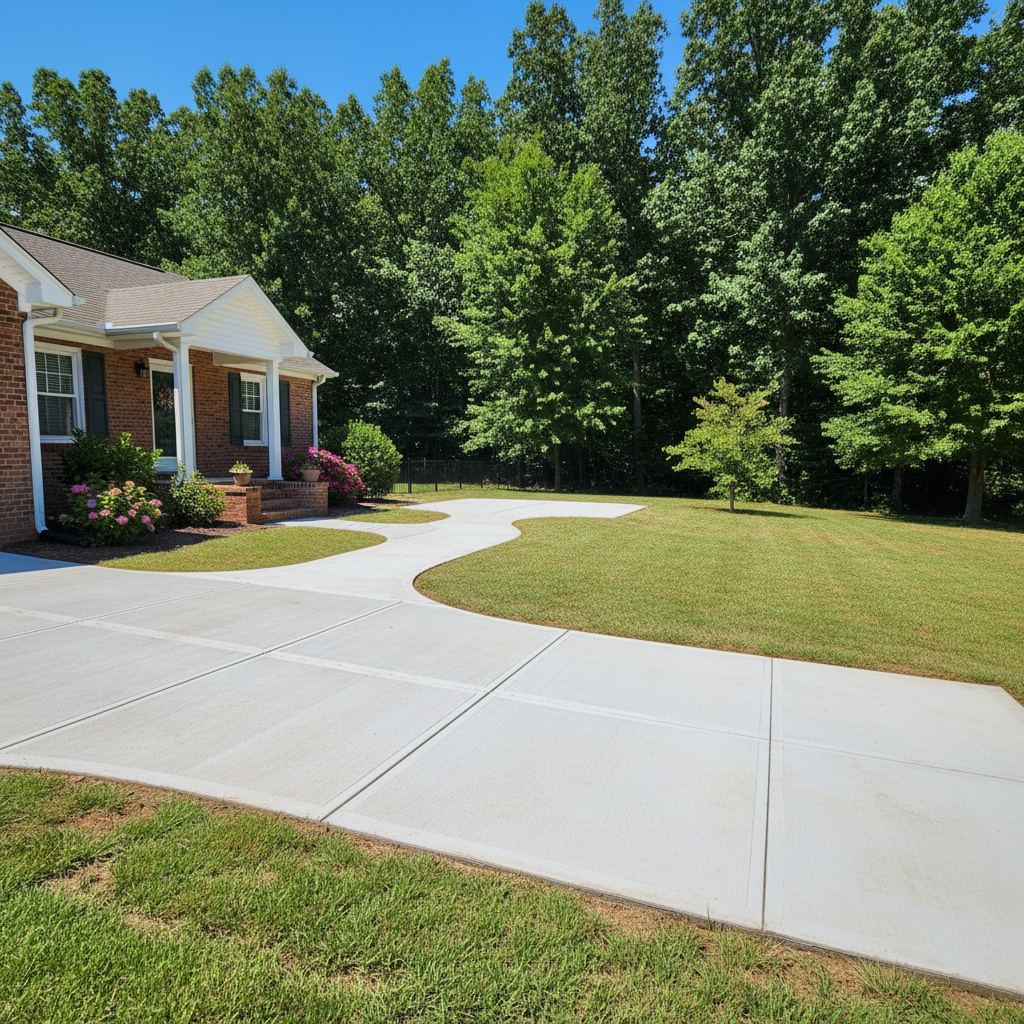
Got some concrete that's seen better days? Maybe it's a cracked sidewalk, a spalling patio, or a driveway that's sinking in spots. Whatever it is, you're probably wondering what goes into getting it fixed. It's not just about pouring new concrete; there's a whole process to it, and knowing what to expect can save you a lot of headaches.
Understanding the Timeline for Your Concrete Repair
First off, let's talk timeline. This isn't a one-day job, even for smaller repairs. You've got a few stages.
- Initial Assessment & Quote: This is where you call us, or another contractor, out to take a look. We'll measure, assess the damage, talk about solutions, and give you a price. This can take a few days to a week, depending on how busy we are and how quickly you can schedule.
- Scheduling the Work: Once you approve a quote, you'll get on the schedule. Good contractors are often booked out a bit, especially during the spring and fall when the weather's just right for concrete work. Don't be surprised if it's a few weeks out. If someone can start tomorrow, you might want to ask why.
- The Repair Itself: For most residential concrete repairs, the actual work might take anywhere from one day to a few days. It depends on the size of the area, the type of repair (patching, resurfacing, full slab replacement), and if there's any demo involved.
- Curing Time: This is the big one people often forget. Concrete doesn't just dry; it cures. You can't drive on a new driveway for at least 7 days, and it's even better to wait 28 days for full strength. Foot traffic is usually fine after 24-48 hours. Your contractor will give you specific instructions.
So, from your first call to being able to fully use the area, you're looking at a few weeks, sometimes a month or more, especially if it's a larger project.
What to Expect During the Concrete Repair Process
When the crew shows up, here's a general idea of what's going to happen:
- Preparation: This might involve removing old concrete, digging out soil, or preparing the sub-base. We'll make sure the ground is stable and properly graded. Sometimes, especially with our clay soils here in Jackson, getting the sub-base right is the most critical part to prevent future issues.
- Formwork: If we're pouring new concrete, we'll set up forms to hold the concrete in place and define the shape of the new slab or section.
- Pouring & Finishing: The concrete gets delivered and poured. Then, the crew works quickly to level, smooth, and finish the surface. This is where the magic happens – getting that perfect broom finish or smooth trowel look.
- Cleanup: We'll remove the forms (usually the next day) and clean up the work area, leaving your property tidy.
It can be a bit noisy and dusty, especially during demolition. We do our best to minimize disruption, but it's a construction site for a short while.
How to Prepare Your Property for Concrete Work
You can help make the process smoother for everyone:
- Clear the Area: Move any cars, planters, furniture, or anything else that's in or near the work zone. If it's a driveway, you'll need to figure out alternative parking for a few days.
- Mark Sprinklers & Utilities: If you have underground sprinklers, invisible dog fences, or other buried lines near where we'll be digging, mark them clearly. We'll always call 811 for utility locates, but those private lines are your responsibility.
- Control Pets & Kids: Keep pets and children away from the work area for their safety and to avoid disturbing the crew or the wet concrete.
- Access to Water: We might need access to an outdoor water spigot for mixing or cleanup.
A little preparation on your end goes a long way in keeping the project on schedule.
Crucial Questions to Ask Before Signing a Contract
Don't just sign the first thing put in front of you. Ask questions. It's your home and your money. Here are some you should definitely cover:
- What's included in the price? Make sure the quote details everything: demolition, hauling away old concrete, sub-base prep, concrete thickness, reinforcement (rebar or mesh), and the finish. Are there any potential extra costs?
- What kind of concrete mix will you use? For driveways and patios, you want at least a 4000 PSI mix. Ask if they use fiber mesh for added strength.
- How will you prepare the sub-base? This is critical. A good contractor like JM Jackson Moore Concrete will talk about compacting the soil and adding a gravel base if needed.
- What about drainage? Will the new concrete be sloped properly to direct water away from your house? This is non-negotiable.
- What's your warranty? Ask about their guarantee on the work. What does it cover and for how long?
- Are you licensed and insured? Always ask for proof of both. This protects you if something goes wrong.
- Can you provide references? A reputable contractor should be happy to provide names and numbers of past clients.
- What's the payment schedule? When are deposits due? When are progress payments? When is the final payment? Never pay for the whole job upfront.
Asking these questions upfront helps ensure you're working with a professional and that you'll be happy with the final result. A good contractor will welcome these questions because it shows you're serious about your project.